Tsinghua University
Beijing, China (Mainland) · Urban
BEIJING, CHINA · C9 LEAGUE · #1 IN ASIA
Tsinghua University Admissions Guide for International Students
Tsinghua University is China's foremost research university and one of the most globally recognised institutions in the world — consistently ranked #17 by QS and #12 by Times Higher Education. Situated in northwest Beijing on the site of a historic Qing dynasty royal garden, it is home to 50,000 students and among the most selective universities in Asia. For international students ambitious about science, engineering, economics, or public policy, Tsinghua represents a rare combination: world-class research depth, an exceptionally low cost of study, and immediate proximity to China's innovation and economic epicentre.
Campus
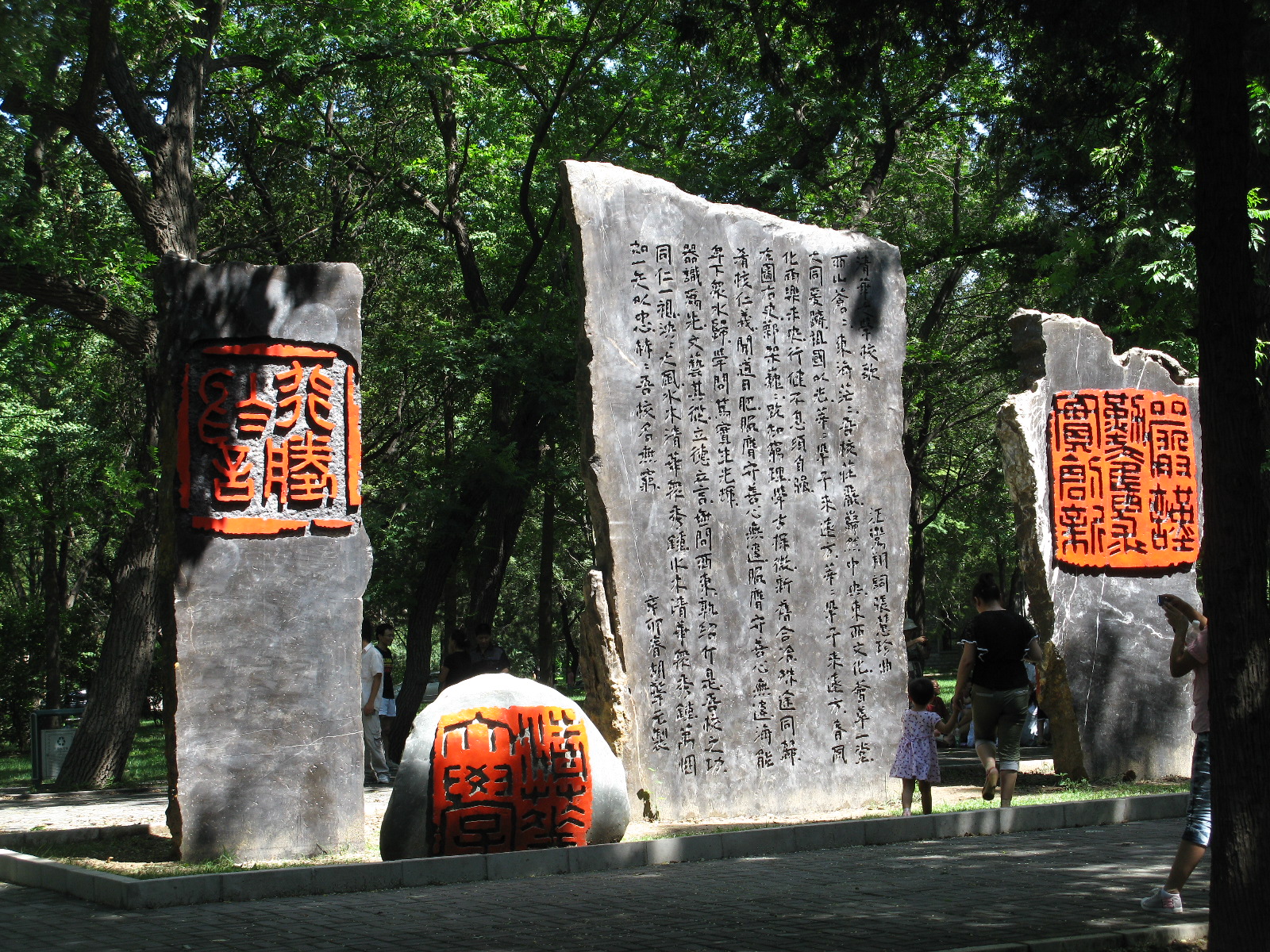
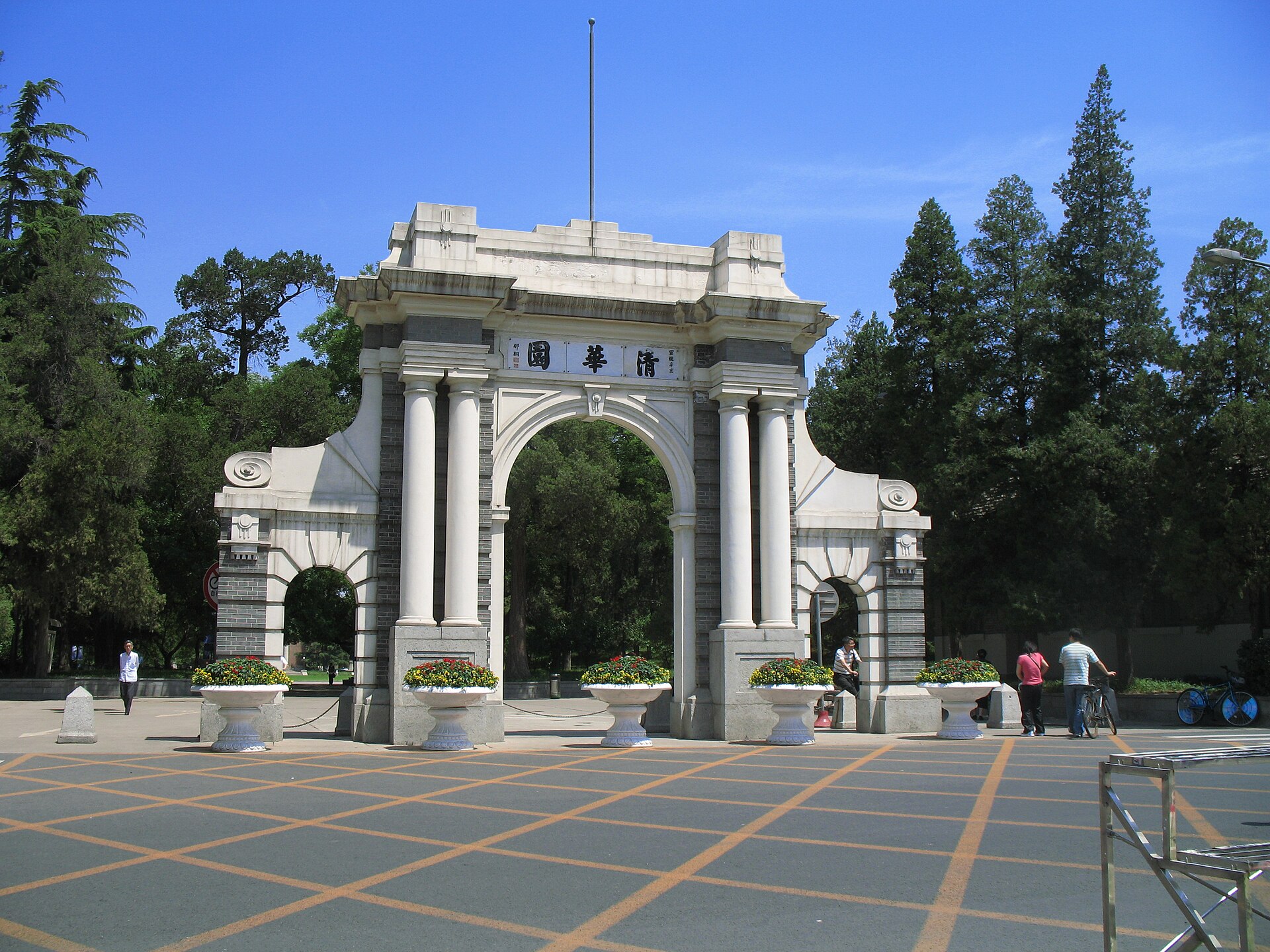
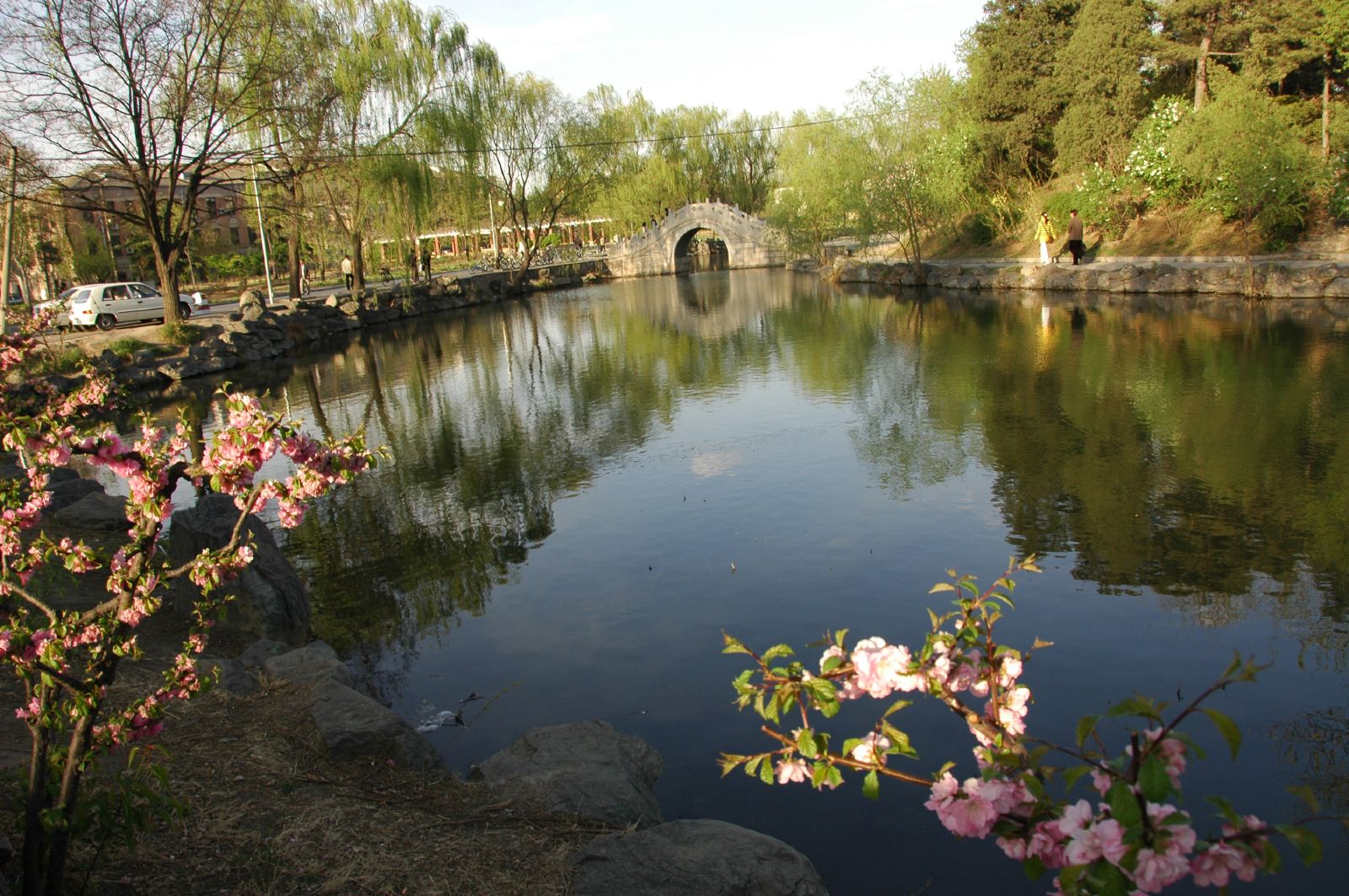
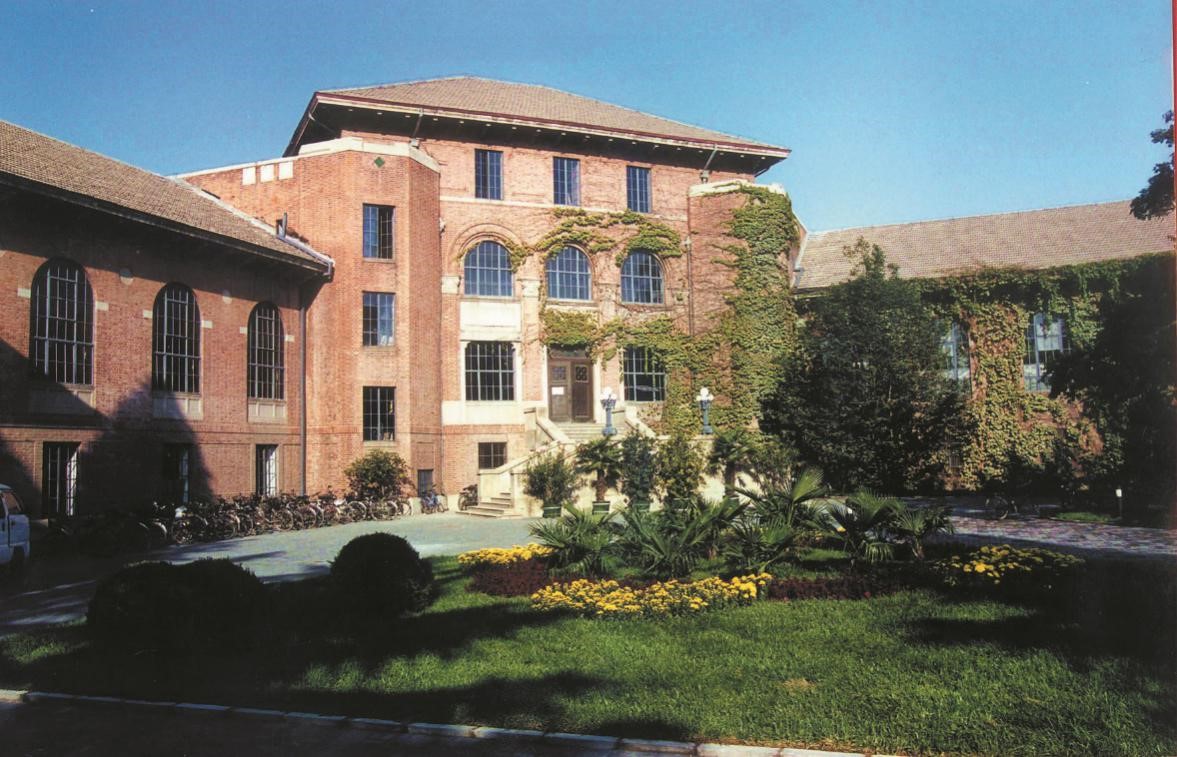
Tsinghua University — campus in pictures
Real, freely-licensed photographs of the campus (via Wikimedia Commons).
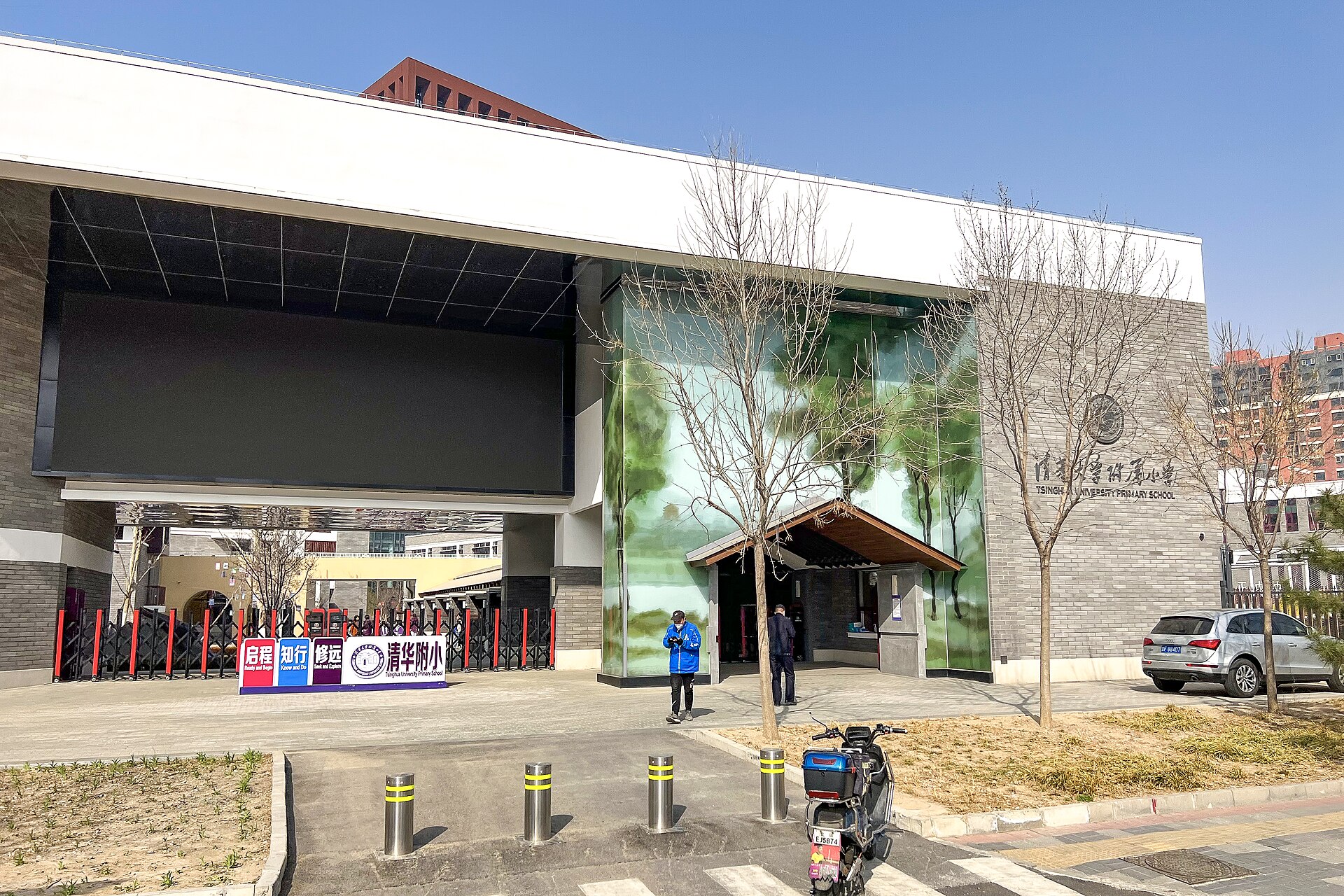
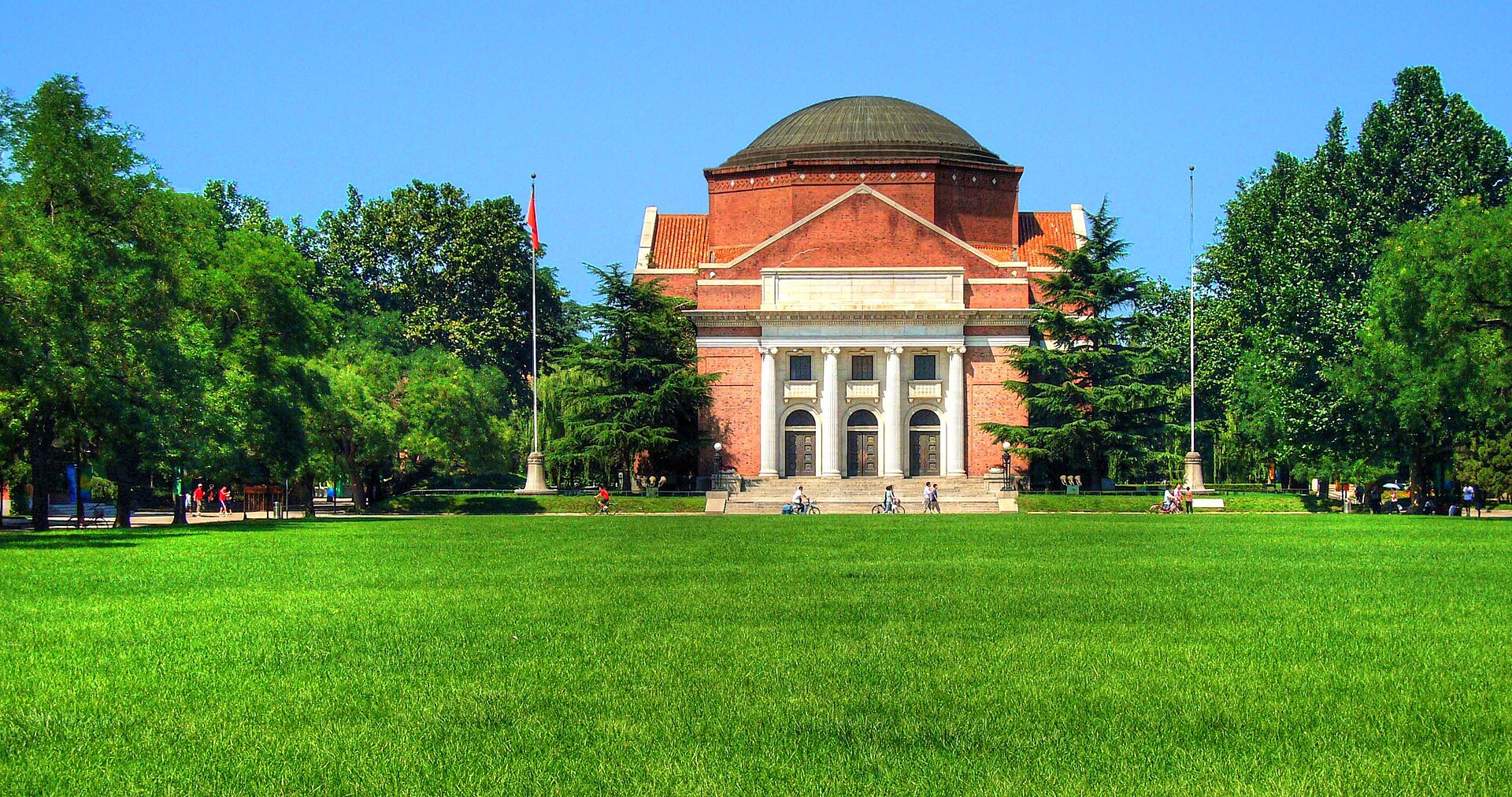
Why Tsinghua — Asia's Leading Research University
Tsinghua is not just the top university in China — it is consistently ranked among the top 20 universities on Earth and the undisputed leader in STEM, engineering, and architecture across Asia. For international students who want to engage with China's technology and economic rise from the inside, there is no better academic platform.
SELECTIVITY
How Selective Is Tsinghua?
Tsinghua is among the most competitive universities in the world. International applications are evaluated holistically — academic records, standardised test scores where submitted, a personal statement, a bilingual introduction video, and in many cases an integrative assessment. Admission to science and engineering programmes is especially competitive.
AT A GLANCE
Tsinghua University Quick Facts
APPLICATION COMPONENTS
What Your Application Consists Of
Tsinghua's international undergraduate application is submitted directly through its official portal (apply.join-tsinghua.edu.cn). There is no Common App or UCAS — every document is uploaded directly. The evaluation is holistic but heavily weighted toward academic records and an integrative assessment.
ADMISSIONS PROFILE
The Profile Tsinghua Admits
Tsinghua's international admissions team looks for students who combine exceptional academic achievement with intellectual curiosity, a clear sense of purpose, and the adaptability to thrive in China's unique academic and cultural environment. Strong candidates typically have near-perfect grades in demanding curricula (IB, A-Levels, or equivalent), with genuine depth in their chosen discipline — especially for STEM programmes.
Tsinghua's engineering and computer science programmes are among the most competitive in the world. For these tracks, a Mathematics and Science track at the highest level of your national curriculum is essentially essential. For the Zhishan College social science programme, demonstrated intellectual range — reading, debate, research experience — is as important as grades.
APPLICATION TIMELINE
Application Rounds and Deadlines
Tsinghua runs two main application rounds for international undergraduate applicants, with results announced after each round. English-taught programmes follow the full window. Apply early — Round 1 is preferred for Design and Fine Arts.
Application portal: apply.join-tsinghua.edu.cn/international. Application fee: USD 130 (non-refundable).
| Round | Opens | Deadline | Decision | Notes |
|---|---|---|---|---|
| Round 1 | 30 Sep 2025 | 28 Nov 2025 (17:00 BJ) | January 2026 | Design / Fine Arts: this round ONLY |
| Round 2 | 29 Nov 2025 | 28 Feb 2026 (17:00 BJ) | Early May 2026 | All programmes; English-taught programmes |
CAMPUS & CITY
Life at Tsinghua — Beijing, China
International students are housed in dedicated accommodation including the Zijing International Studio Apartments, which provide private rooms with furniture, air conditioning, and Wi-Fi. More than 100 student clubs and societies cover everything from robotics and competitive programming to traditional calligraphy and national-level sports teams. Tsinghua's dining halls are famously good and affordable, with options spanning Chinese regional cuisines, halal, and Western food across 10+ canteens on campus.
Tsinghua's campus in Haidian District occupies the site of a former Qing dynasty imperial garden — historically significant, physically beautiful, with lakes, classical pavilions, and tree-lined paths woven through modern research facilities. The atmosphere is intense and intellectually stimulating: this is a campus where students study hard, but the social fabric is rich.
The Wudaokou neighbourhood, a 10-minute walk from campus, is a hub of student social life — restaurants, cafes, bookshops, and nightlife. Beijing as a city offers historical depth (the Forbidden City, Summer Palace, and Great Wall are all within reach), a global arts scene, and direct access to China's most dynamic technology and startup ecosystem in Zhongguancun.
CAREER OUTCOMES
Where Tsinghua Graduates Go
Tsinghua's employment outcomes are among the strongest of any university in Asia. With an employment rate of 93% and an average starting salary of approximately $26,000 USD, graduates enter a wide range of sectors — from China's largest technology companies to international organisations, academic institutions, and government agencies.
For international graduates, the Tsinghua network is particularly powerful in China's technology sector (ByteDance, Huawei, Alibaba, Tencent, Xiaomi all recruit heavily from Tsinghua) and in international organisations that value China expertise. Graduate school placement to top global programmes is also strong — Tsinghua engineering and CS graduates are regularly admitted to doctoral programmes at MIT, Stanford, and ETH Zürich.
FAQs
Common Questions from International Applicants
Do I need to speak Chinese to study at Tsinghua?+
Not necessarily. Tsinghua's English-taught programmes (Zhishan College, Zijing College, and the Tsinghua-CUHK Dual Degree in Economics) are delivered entirely in English. Chinese-taught programmes require HSK Level 5 or above. Even in English-taught programmes, learning conversational Mandarin will significantly enrich your experience of living in Beijing.
What qualifications does Tsinghua accept from international applicants?+
Tsinghua accepts a wide range of international qualifications: the IB Diploma, A-Levels, SAT, ACT, the French Baccalauréat, the German Abitur, and most national secondary qualifications. The benchmark IB score for competitive applicants is 39 and above. All qualifications must be verified and certified.
Is the SAT or ACT required?+
Tsinghua's test policy is optional — submitting SAT or ACT scores is not required but can strengthen your application, particularly for science and engineering programmes. Strong scores in Mathematics are especially relevant.
How competitive is admission for international students?+
The overall acceptance rate for international applicants is approximately 12%, but this varies significantly by programme. Engineering and Computer Science tracks are the most competitive. English-taught programmes may have somewhat broader access given the smaller pool of English-language applicants.
What is the bilingual introduction video?+
Tsinghua requires a 3-minute introduction video in both English and Chinese. The Chinese section does not need to be fluent if you are applying to an English-taught programme, but you should prepare it carefully — it signals cross-cultural awareness and communication confidence.
Can international students get financial aid or scholarships?+
Yes. The Chinese Government Scholarship (administered through the China Scholarship Council) can cover tuition, accommodation, and a monthly stipend. Tsinghua also offers its own Institutional Scholarships funded by alumni donations. Applications for the CGS typically go through your local Chinese Embassy or Consulate.
Where do international undergraduates live?+
Tsinghua provides on-campus housing for international students, including the Zijing International Studio Apartments with private or shared rooms. Many students later move to nearby neighbourhoods such as Huaqing Jiayuan. All on-campus housing includes Wi-Fi, air conditioning, and furnishings.
Is there a minimum age requirement?+
Yes. Applicants must be at least 18 years old by 1 September of the enrolment year.
ACADEMIC EXPECTATIONS
Academic Standards for International Applicants
Tsinghua is one of the most academically demanding universities in Asia. International applicants are expected to bring exceptional records in mathematically rigorous or intellectually intensive curricula, along with the language proficiency to engage fully with their chosen programme. The academic bar is high — but the research environment and faculty access on the other side are commensurate.
ACADEMIC BENCHMARKS
Competitive Academic Profile
The following benchmarks come from Tsinghua's published requirements and facts. These represent a competitive applicant profile — admitted students to the most selective programmes often exceed these thresholds significantly.
TEST POLICY
Standardised Tests: Optional, But Strategic
Tsinghua's official test policy is optional — applicants are not required to submit SAT or ACT scores. However, submitting strong scores in STEM-relevant subjects (particularly SAT Math or ACT Mathematics) provides concrete, internationally comparable evidence of your quantitative ability, which is especially valuable for engineering, computer science, and science programmes where competition is most intense.
If your predicted IB or A-Level Mathematics grade is very strong (e.g. IB HL Mathematics AA Grade 7, or A* in A-Level Further Mathematics), the marginal value of additionally submitting an SAT score is lower. Prioritise what you do well.
SAT / ACT
SAT and ACT: How They're Used
Neither the SAT nor ACT is required by Tsinghua for international applicants. However, both are accepted and can be submitted as supporting evidence of academic ability. No official band ranges are published for admitted international students, so the following is qualitative guidance.
IB / A-LEVEL / NATIONAL QUALIFICATIONS
How IB, A-Levels, and Other Qualifications Are Read
Tsinghua explicitly accepts the IB Diploma, A-Levels, the French Baccalauréat, the German Abitur, SAT, ACT, and most national secondary qualifications from countries around the world. Here is how each is typically read.
SUBJECT PREPARATION
What to Study Before You Apply
ENGLISH PROFICIENCY
English Language Requirements
For English-taught programmes, proof of English proficiency is required. The following minimums apply for international undergraduate applicants to English-medium tracks. Applicants whose secondary education was fully conducted in English may request a waiver — confirm directly with the admissions office.
| Test | Minimum | Notes |
|---|---|---|
| IELTS Academic | 6.5 | Overall band score |
| TOEFL iBT | 90 | Internet-based total score |
| Duolingo English Test | 120 | Overall score |
| HSK (Chinese programmes) | Level 5 (each subject >60) | For Chinese-taught programme applicants |
PLANNING YOUR APPLICATION
Grade 9–12 Roadmap to Tsinghua
COMMON PITFALLS
Academic Mistakes to Avoid
- Selecting weaker mathematics options to protect GPA — Tsinghua engineering and STEM programmes will question whether you can handle the rigour.
- Submitting a personal statement that doesn't explain why Tsinghua specifically — generic motivation letters are easy to spot and unconvincing.
- Underestimating the bilingual introduction video — this is a real differentiator and many applicants treat it as an afterthought.
- Applying to Chinese-taught programmes without genuine HSK 5 proficiency — the language barrier in lectures and labs is severe without it.
- Missing the Round 1 window for Design/Fine Arts programmes, which are only accepted in Round 1.
- Providing recommendation letters from people who don't know your academic work — relationships with teachers who have genuinely engaged with your thinking matter more than seniority.
- Ignoring the integrative assessment — once shortlisted, this phase is decisive and not something you can prepare for the night before.
COST & FINANCIAL AID
The Honest Cost of Studying at Tsinghua Internationally Competitive Value
Tsinghua University represents exceptional value compared to peer institutions in the US, UK, or Australia. Tuition for international students is approximately $4,200 USD per year — a fraction of what comparable-ranked universities elsewhere charge. Total cost of attendance including accommodation and living expenses in Beijing is approximately $9,000 USD annually. Financial aid is available through the Chinese Government Scholarship and Tsinghua's own institutional scholarships.
COST BREAKDOWN
Annual Cost Estimates for International Students
The following figures are drawn from Tsinghua's published data. All costs are approximate annual estimates in USD. Actual costs will vary by programme, lifestyle, and accommodation choice.
| Component | Estimated Annual Usd | Notes |
|---|---|---|
| Tuition (international students) | $4,200 | Per academic year |
| On-campus accommodation | Included in CoA estimate | Zijing Apartments: approx RMB 80/day private room |
| Cost of living (Beijing) | $7,000 | Food, transport, personal expenses |
| Total cost of attendance | ~$9,000 | All-in estimate; varies with lifestyle |
| Application fee | $130 | Non-refundable; paid once at submission |
FINANCIAL AID
Financial Aid Policy for International Students
Tsinghua does not publish an average aid percentage for international students, and need-based aid in the Western sense (meeting demonstrated financial need) is not widely available. Instead, the primary financial support mechanisms are merit-based scholarships — most notably the Chinese Government Scholarship (CGS), which can fully fund tuition, accommodation, and provide a monthly living stipend.
The Chinese Government Scholarship is administered externally through the China Scholarship Council (CSC). Applications are typically made through your country's Chinese Embassy or Consulate, not directly to Tsinghua. Tsinghua also administers its own Institutional Scholarship, funded through alumni and corporate donations. If cost is a significant constraint, research both scholarship routes before applying.
SCHOLARSHIPS
Named Scholarships for International Students
The following scholarship programmes are the primary routes for international undergraduate applicants at Tsinghua. Verify current coverage and eligibility directly with the relevant office, as amounts and availability change year to year.
VALUE
The Real Affordability Picture
At approximately $9,000 USD total annual cost of attendance, Tsinghua offers a genuinely exceptional proposition relative to its global ranking. Peer-ranked institutions in the United States, United Kingdom, and Australia typically charge five to ten times this amount in total annual costs for international students — without necessarily offering superior research infrastructure in engineering or computer science.
Beijing's cost of living, while rising, remains significantly lower than London, New York, Sydney, or Singapore. Campus dining is affordable (often under $3 USD per meal at campus canteens). Public transport is excellent and inexpensive. For international students from price-sensitive backgrounds, Tsinghua's cost structure — combined with the availability of the Chinese Government Scholarship — makes world-class STEM education genuinely accessible.
FUNDING ROADMAP
Steps to Secure Funding at Tsinghua
COST FAQs
Frequently Asked Questions: Cost and Aid
Is Tsinghua affordable for international students?+
Yes — Tsinghua is one of the most affordable top-20 globally ranked universities in the world for international students, at approximately $4,200 USD per year in tuition and $9,000 USD total annual cost of attendance.
Does Tsinghua meet full demonstrated financial need?+
No. Tsinghua does not operate a US-style need-based financial aid system for international students. The primary funding routes are merit-based scholarships — notably the Chinese Government Scholarship.
Is the Chinese Government Scholarship easy to get?+
Competition is significant. The CGS is awarded on merit, and you must both be admitted to Tsinghua and be selected by your Embassy/Consulate's review process. Having an excellent academic record and a strong direct Tsinghua application is essential.
Can I work part-time while studying at Tsinghua?+
Chinese student visa regulations restrict off-campus employment for international students. On-campus opportunities (teaching assistant roles, research assistance) may be available. Confirm current rules with the International Students Office before relying on income from work.
How much does accommodation cost?+
On-campus Zijing International Studio Apartments cost approximately RMB 80 per day (roughly USD 11) for a private room with private bathroom. Shared rooms are lower. Off-campus apartments in Haidian District vary widely but are generally more expensive than on-campus options.
APPLICATION & STATEMENT
Your Tsinghua Application: Personal Statement, Video & More
Tsinghua University does not use the Common App, UCAS, or any standardised essay system. The application is submitted directly through Tsinghua's own portal, and the writing components — a personal statement entered directly online, and a 3-minute bilingual introduction video — are unique to this process. There are no fixed essay prompts to respond to. Instead, you must craft a compelling, self-directed narrative of why you belong at Tsinghua and what you will contribute.
OVERVIEW
How the Application Writing Components Work
Graduate applicants (Master's and PhD) submit a personal statement through a separate graduate portal and must additionally upload a research experience summary or research plan for PhD programmes. Recommendation letters from academic supervisors are also required.
Tsinghua's international undergraduate application includes two main writing and presentation components: a personal statement submitted in the online portal, and a bilingual (English + Chinese) 3-minute self-introduction video. Unlike US supplemental essays or the UK UCAS personal statement, there are no prescribed question prompts. This gives you significant freedom — and places the full responsibility for making your application memorable on you.
WRITING COMPONENTS
The Personal Statement and Introduction Video
There are no fixed essay prompts at Tsinghua. The following components are how you present your academic self in this application. Treat both with the seriousness you would give a US supplemental essay.
PERSONAL STATEMENT STRATEGY
How to Write a Strong Tsinghua Personal Statement
Avoid the common trap of writing a general statement you have also submitted elsewhere. Tsinghua's admissions readers are experienced at spotting generic documents. The most effective statements demonstrate genuine knowledge of Tsinghua's specific strengths — its Zhishan College curriculum, its C9 League research position, specific faculty whose work overlaps with your interests — and make a credible case that the applicant has done the research to know why Tsinghua is the right fit.
Because Tsinghua gives you no fixed prompt, the structure of your personal statement is entirely your responsibility. A strong Tsinghua personal statement typically follows a clear arc: who you are academically, what experiences have shaped your thinking, why you are applying to THIS specific programme at THIS university, and what you intend to pursue.
Length is not prescribed, but quality over quantity applies. A focused, specific 600–800 word statement written exclusively for Tsinghua will outperform a 1,500-word document lifted from another application.
COMPONENT STRATEGY
Making Each Component Count
TOPIC & APPROACH
Choosing What to Write About
For engineering and STEM programmes, demonstrating technical depth through specific academic achievements (Olympiad placements, research projects, advanced coursework) will resonate more than general statements of passion. For social science programmes at Zhishan College, intellectual range, policy awareness, and demonstrated analytical writing or debate experience are particularly relevant to highlight.
The most effective Tsinghua personal statements are those that make a specific intellectual case, not a motivational one. Rather than writing about your desire to 'contribute to global development' or 'bridge East and West', write about what you have actually done — the research you pursued, the problem you grappled with, the course that changed how you think — and then connect that trajectory clearly to what Tsinghua specifically offers.
Avoid writing about how inspiring China is as an abstract concept. Instead, demonstrate that you understand what Tsinghua is actually strong in and what you expect to engage with there — specific programmes, research centres, or aspects of Beijing that are relevant to your goals.
COMMON MISTAKES
Essay and Application Mistakes to Avoid
- Submitting a personal statement written for a different university — admissions readers notice immediately when a statement doesn't reference Tsinghua specifically.
- Treating the bilingual video as an afterthought — poor lighting, inaudible audio, or an unrehearsed delivery creates a strongly negative first impression.
- Writing only in English in the video and skipping the Mandarin section — even a short, rehearsed Mandarin segment signals cross-cultural awareness.
- Listing achievements without explaining what they demonstrate about how you think or what you learned.
- Generic statements about 'China's rise' or 'bridging cultures' without specific, grounded reasons for choosing Tsinghua.
- Requesting recommendation letters from recommenders too late — strong letters take time to write, and a rushed letter from a high-status person is less valuable than a thoughtful one from a teacher who knows you.
- For PhD applicants: failing to name specific faculty or research areas in the research plan — this is the most common reason an otherwise strong graduate application fails to stand out.
- Missing the Round 1 deadline if applying to Design or Fine Arts — these programmes are only open in the first round.
ESSAY FAQs
Frequently Asked Questions: Application Components
Does Tsinghua use the Common App or UCAS?+
No. Tsinghua has its own direct application portal at apply.join-tsinghua.edu.cn/international. All materials are submitted there.
Is there a word limit for the personal statement?+
No fixed word limit is published, but aim for quality and specificity. A focused 600–800 word statement is likely to be more effective than a rambling 1,500-word document.
What language should the personal statement be in?+
For English-taught programmes, English is appropriate. For Chinese-taught programmes, the statement is typically expected in Chinese. Confirm with the admissions office for your specific programme.
How important is the bilingual video really?+
Very. It is a meaningful differentiator in an application pool of international students with similar transcripts and test scores. Prepare and rehearse it seriously.
My Mandarin is beginner level — should I attempt the Chinese section of the video?+
Yes, but keep it short and rehearsed. A brief, polished 30–45 second Mandarin segment (even if limited) demonstrates effort and cultural awareness. Attempting it badly is still better than skipping it entirely.
How should I select which programme to apply to?+
You may select up to two programme preferences. Research what is genuinely offered in English versus Chinese, and be honest with yourself about your language readiness. For most international applicants without HSK 5, one of the English-taught tracks (Zhishan, Zijing, or the CUHK dual degree) is the realistic route.
Are there interviews?+
Many programmes include an integrative assessment or interview phase for shortlisted applicants. The format varies by department and is communicated to shortlisted candidates separately. Architecture applicants undergo a portfolio review instead.
Can I reapply if not admitted in Round 1?+
If not admitted in Round 1, most programmes allow you to apply again in Round 2 (except Design/Fine Arts, which are Round 1 only). Check the official schedule and whether your application from Round 1 carries over or requires resubmission.
Courses — schools, degrees & intake
91 degrees across 16 groupings.
School of Architecture · 4 degrees
Architecture
Urban Planning
Landscape Architecture
Building Environment and Energy Engineering
School of Civil Engineering · 7 degrees
Civil Engineering
Construction Management
Traffic Engineering
Hydraulic and Hydropower Engineering
Hydroscience and Engineering
Environmental Engineering
Water Supply and Wastewater Engineering
School of Mechanical Engineering · 6 degrees
Mechanical Engineering
Measurement/Control Technology and Instruments
Micro-Electro-Mechanical Systems Engineering
Energy and Power Engineering
Vehicle Engineering
Industrial Engineering
School of Aerospace Engineering · 2 degrees
Aeronautical and Astronautical Engineering
Engineering Mechanics
School of Information Science and Technology · 9 degrees
Computer Science and Technology
Artificial Intelligence
Software Engineering
Automation
Electrical Engineering and Automation
Electronic Information Engineering
Electronic Information Science and Technology
Electronic Science and Technology
Microelectronics Science and Engineering
School of Materials Science and Engineering · 3 degrees
Materials Science and Engineering
Polymer Materials and Engineering
Chemical Engineering and Industrial Biological Engineering
Department of Engineering Physics · 2 degrees
Engineering Physics
Nuclear Engineering and Nuclear Technology
School of Sciences · 12 degrees
Pure and Applied Mathematics
Information and Computing Science
Physics
Mathematics and Physics
Applied Physics
Chemistry
Chemical Biology
Astronomy
Biological Sciences
Biotechnology
Earth System Science
Statistics
School of Economics and Management · 7 degrees
Economics
Economics and Finance
Finance
Accounting
Business Administration
Information Management and Information Systems
General Administration
School of Social Sciences · 5 degrees
Sociology
International Politics
Psychology
Marxism Theory
Political Science, Economics, and Philosophy
School of Humanities · 6 degrees
Philosophy
History
Chinese Language and Literature
History of Science
English Language
Japanese Language
School of Law · 1 degrees
Law
School of Journalism and Communication · 2 degrees
Journalism
Advertising
Academy of Arts and Design · 17 degrees
Theory and History of Arts
Visual Communication Design
Environment Design
Product Design
Fashion Design
Industrial Design
Animation
Digital Media Art
Art and Technology
Painting
Sculpture
Photography
Chinese Painting
Theory of Arts and Design
Public Art
Craft Art
Ceramic Design
Tsinghua Medicine · 3 degrees
Clinical Medicine
Pharmaceutical Sciences
Biomedical Engineering
Interdisciplinary Programs · 5 degrees
Creative Design and Intelligent Engineering
Mechanics
Multidisciplinary Engineering
Education
Physical Education
Want your real chances at Tsinghua University?
Create a free TYCHR account for your personalised admit-chance, a shortlist you can track, exact entry requirements, and essay + counselling help.